Aurora Dune Shawl Free Pattern – A Gradient Knitted Sunset Wrap

Introducing the Aurora Dune Shawl: A Gradient Knitted Sunset Wrap
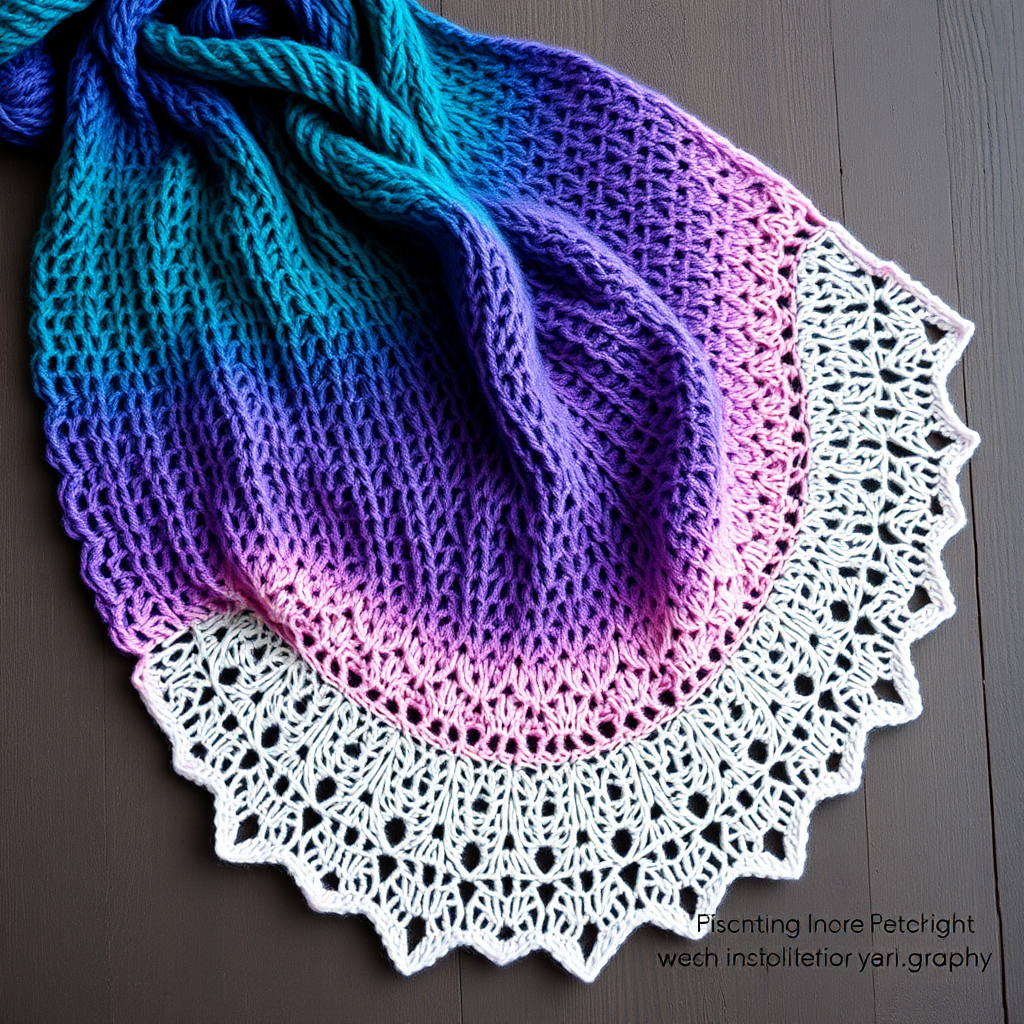
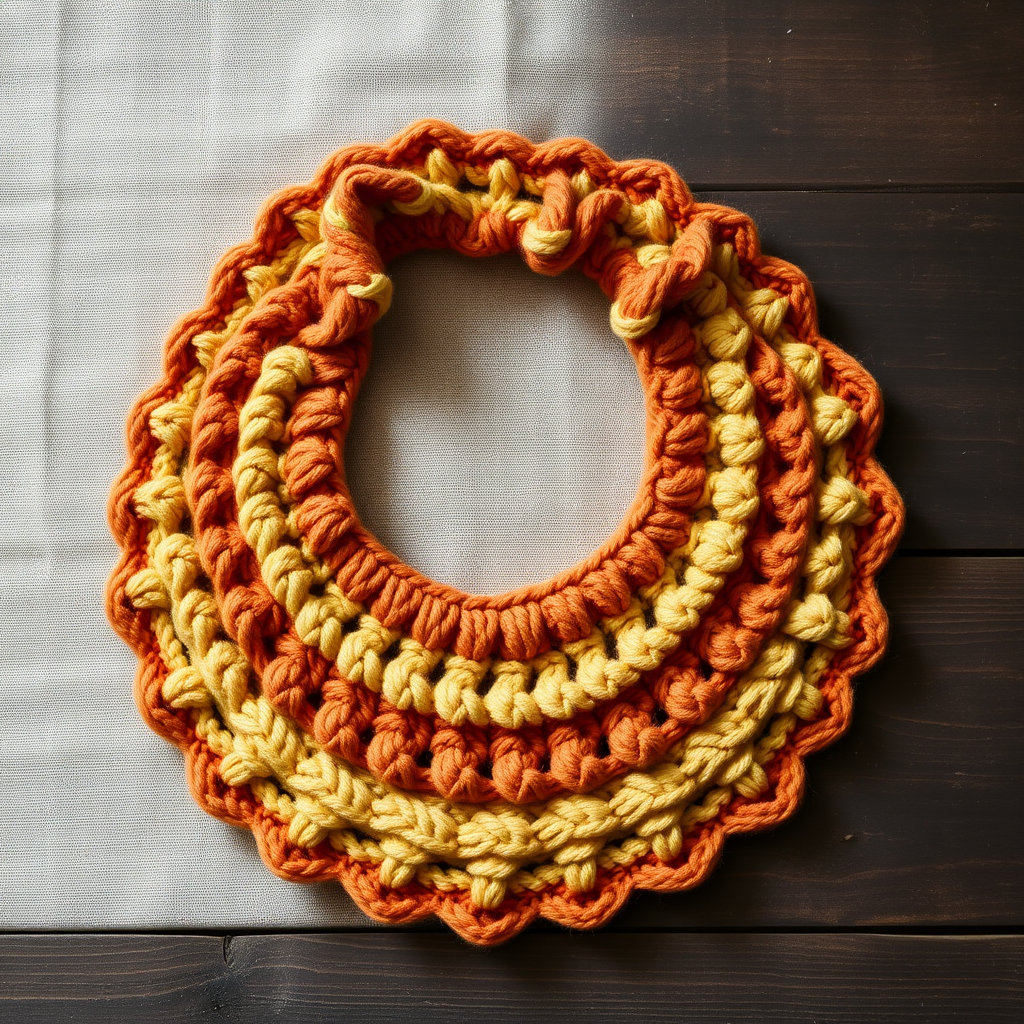
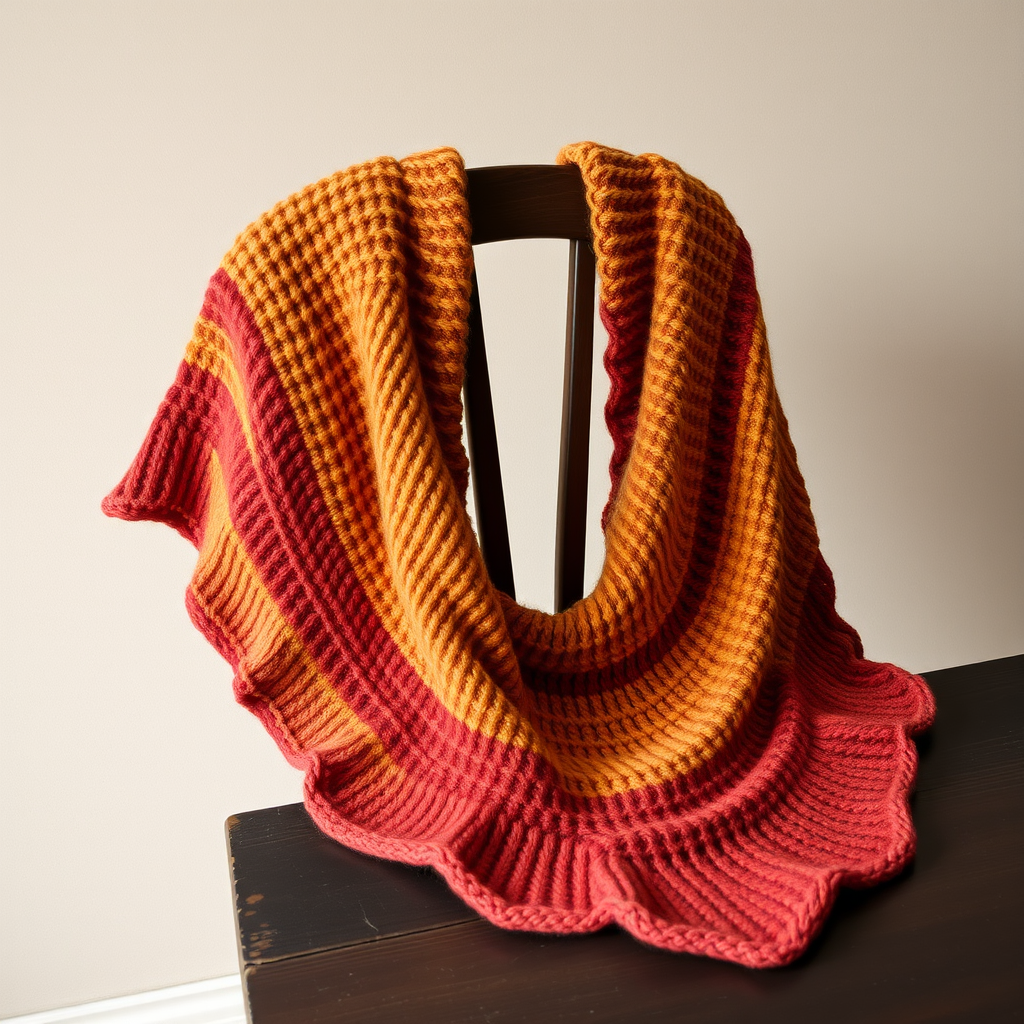
Wrap yourself in the shifting hues of a desert sunset with this stunning gradient knitted shawl. The Aurora Dune Shawl features a rhythmic wave stitch that mimics rolling sand dunes, creating a beautiful textured ripple across a crescent-shaped wrap. This meditative knit transitions from fiery coral to deep twilight purple, making it the perfect accessory for cool evenings and a truly artistic addition to your handmade wardrobe.
This free knitting pattern is designed for intermediate beginners who are comfortable with basic increases, decreases, and yarn overs. The repetitive nature of the wave stitch makes it a relaxing, rhythmic project that produces stunning, professional-looking results. Let's dive into creating this cozy, textured masterpiece.
Materials Needed
Before you begin, gather the following materials to ensure a smooth knitting experience:
- Yarn: DK weight yarn in 3 colors:
- Color A (Coral) – approx 133g
- Color B (Amber) – approx 133g
- Color C (Deep Purple) – approx 134g
- Needle: US 6 (4.0 mm) circular knitting needle, 32-inch (80 cm) or longer
- Notions: Stitch markers (at least 2), tapestry needle for weaving in ends, blocking pins and mats
Gauge: 20 stitches and 28 rows = 4 inches in stockinette stitch (blocked). Gauge is important for achieving the correct drape and size, so take a moment to knit a swatch.
Step-by-Step Instructions
This shawl is knitted from the top center down, increasing on each side to form a crescent shape. The wave stitch pattern creates a beautiful, textured ripple. Follow these detailed instructions carefully, and you'll have a gorgeous shawl in no time.
Abbreviations
- k = knit
- p = purl
- yo = yarn over
- k2tog = knit two together (right-leaning decrease)
- ssk = slip, slip, knit (left-leaning decrease)
- sl1 = slip one stitch purlwise
- pm = place marker
- sm = slip marker
- RS = right side
- WS = wrong side
Special Stitch Pattern: Wave Ripple (multiple of 6 + 1)
This is the core pattern that creates the dune-like texture. Work the following 4 rows:
- Row 1 (RS): *k1, yo, k2tog, k1, ssk, yo*; repeat from * to last st, k1.
- Row 2 (WS): Purl all stitches.
- Row 3 (RS): *k2, yo, k2tog, ssk, yo, k1*; repeat from * to last st, k1.
- Row 4 (WS): Purl all stitches.
Setup Section
Using Color A (Coral), cast on 3 stitches.
- Row 1 (RS): k1, yo, k1, yo, k1 (5 stitches).
- Row 2 (WS): k1, p3, k1.
- Row 3 (RS): k1, yo, k1, yo, k1, yo, k1, yo, k1 (9 stitches).
- Row 4 (WS): k1, p7, k1.
Increase Section (Worked in Garter Stitch)
This section builds the foundation of the crescent shape.
- Row 5 (RS): k1, yo, knit to last st, yo, k1 (11 stitches).
- Row 6 (WS): Knit all stitches.
Repeat Rows 5-6 until you have 51 stitches on the needle, ending with a WS row. This will take approximately 20 repeats of the increase rows.
Body Section – Wave Stitch
Now we'll introduce the beautiful wave pattern. Place a marker after the first stitch and before the last stitch to mark the increase points.
- Row 1 (RS): k1, yo, sm, work Wave Ripple Row 1 across to last st, sm, yo, k1 (increase 2 stitches).
- Row 2 (WS): k1, sm, purl all stitches to last st, sm, k1.
- Row 3 (RS): k1, yo, sm, work Wave Ripple Row 3 across to last st, sm, yo, k1.
- Row 4 (WS): k1, sm, purl all stitches to last st, sm, k1.
Important Note on Pattern Adjustments: The Wave Ripple pattern requires a multiple of 6 + 1 stitches between the markers. As you increase, you will need to adjust the pattern repeats. After every 6 increases (i.e., every 3 repeats of the 4-row pattern), you can add one more full repeat of the Wave Ripple pattern. Simply continue working the established pattern, adding a new repeat when you have enough stitches. To do this, when you have 6 more stitches between the markers than when you started, begin the pattern one repeat earlier on the next RS row.
Color Changes
Follow this color sequence for a beautiful gradient:
- Work 10 repeats of the 4-row pattern in Color A (Coral), or until you have used about 1/3 of Color A.
- Switch to Color B (Amber) and work 10 repeats.
- Finally, switch to Color C (Deep Purple) and work 10 repeats, or until you have used all of Color C, ending with a WS row.
Decrease Section (Garter Stitch)
Switch to Color C (if not already) and work in garter stitch (knit every row) while decreasing to shape the bottom edge.
- Row 1 (RS): k1, ssk, knit to last 3 sts, k2tog, k1 (decrease 2 stitches).
- Row 2 (WS): Knit all stitches.
Repeat these 2 rows until you have 5 stitches left, ending with a WS row.
Edging
With RS facing, knit 1 row, then bind off all stitches loosely. For a more decorative edge, you can use a picot bind off: bind off 2 stitches, *slip the stitch back to the left needle, cast on 2 stitches, bind off 4 stitches; repeat from * to end.
Finishing
Weave in all ends carefully with a tapestry needle. Block the shawl gently to open up the wave pattern and shape the crescent. Pin out the points of the waves for a dramatic, scalloped effect. Allow to dry completely before wearing.
Your Aurora Dune Shawl is now complete! The gradient transition from coral to amber to deep purple, combined with the textured wave stitch, creates a stunning, one-of-a-kind accessory that's perfect for cool evenings or as a thoughtful handmade gift. Enjoy the meditative rhythm of this knit and the beautiful result of your labor!