Meadow Breeze Tote Free Pattern – A Knitted Summer Carryall
Meadow Breeze Tote Free Pattern – A Knitted Summer Carryall
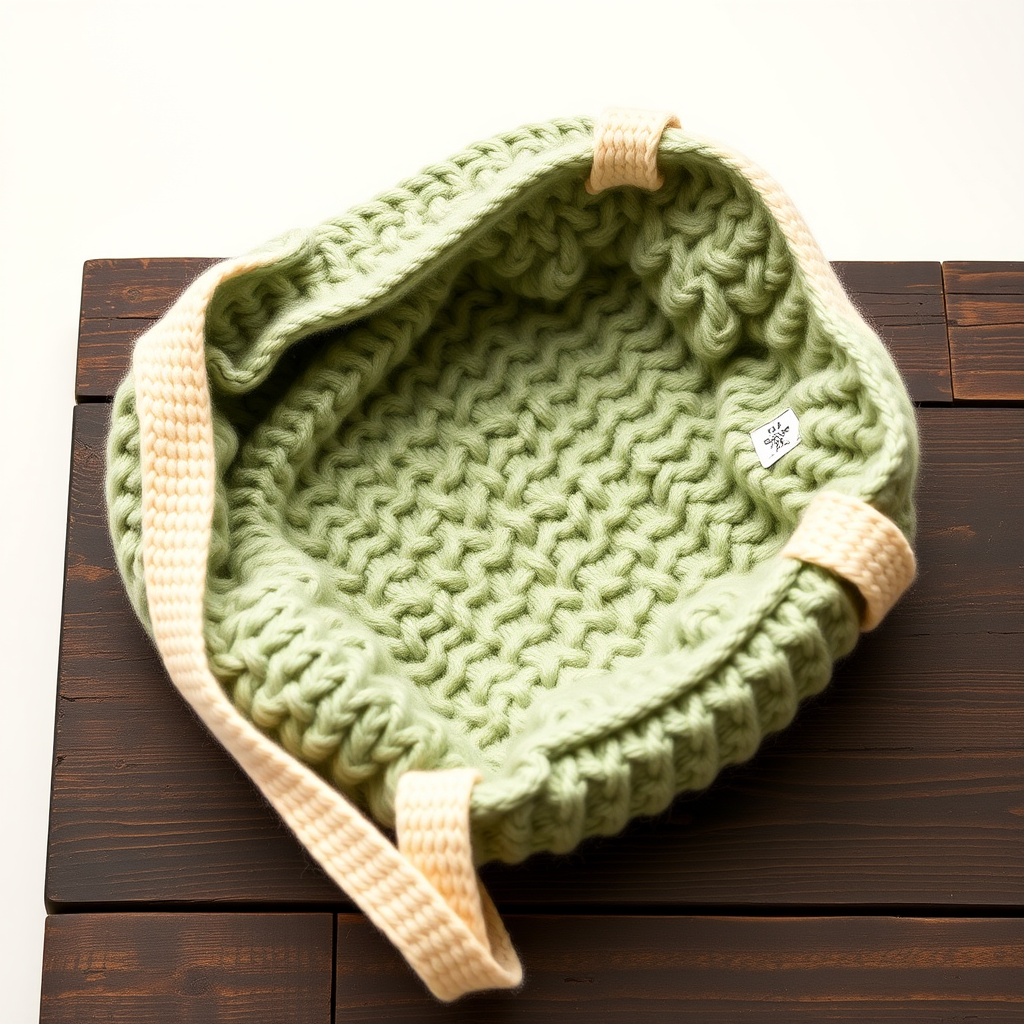
Imagine strolling through a sun-drenched farmers' market or strolling along the shore with a bag that perfectly captures the essence of summer. The Meadow Breeze Tote is that bag. This airy, textured carryall is knitted with a unique honeycomb stitch that creates a beautiful, breathable fabric—modern, boho, and utterly charming. Whether you're a seasoned knitter looking for a quick project or a beginner ready for a new challenge, this free pattern will guide you through creating a stunning, handmade accessory that's as functional as it is beautiful.
Why You'll Love This Pattern
This isn't just another tote bag. The honeycomb stitch gives the fabric a subtle, geometric texture that's visually striking and delightfully airy—perfect for carrying summer essentials without feeling heavy. The soft sage green body paired with cream straps creates a natural, earthy palette that complements any outfit. Plus, the pattern is worked flat in two panels, making it incredibly approachable even for those new to knitting bags.
Materials Needed
Before you begin, gather these supplies to ensure a smooth knitting experience:
- Yarn: Worsted weight cotton yarn (e.g., Lion Brand 24/7 Cotton) in two colors:
- Main Color (MC) – Sage Green: approximately 400 yards
- Contrast Color (CC) – Cream: approximately 100 yards
- Knitting Needles: US 7 (4.5 mm) straight or circular needles (circular recommended for larger capacity)
- Tapestry needle for weaving in ends and seaming
- Stitch markers (optional, for keeping track of rows)
Gauge
18 stitches and 24 rows = 4 inches in honeycomb stitch (blocked). Always knit a gauge swatch to ensure your finished bag matches the intended dimensions. If your gauge is off, adjust your needle size accordingly.
Step-by-Step Instructions
Pattern Notes
- The bag is worked flat in two panels (front and back) and seamed together.
- The honeycomb stitch is a multiple of 4 + 2 stitches.
- Slip the first stitch of every row purlwise for a neat, professional edge.
- Use a long-tail cast on for a stretchy, sturdy edge.
Panel (Make 2)
With MC, cast on 42 stitches.
Row 1 (RS): Sl1, *k2, p2; repeat from * to last stitch, k1.
Row 2 (WS): Sl1, *p2, k2; repeat from * to last stitch, k1.
Row 3: Sl1, *p2, k2; repeat from * to last stitch, k1.
Row 4: Sl1, *k2, p2; repeat from * to last stitch, k1.
Row 5: Sl1, *k2, p2; repeat from * to last stitch, k1.
Row 6: Sl1, *p2, k2; repeat from * to last stitch, k1.
Row 7: Sl1, *p2, k2; repeat from * to last stitch, k1.
Row 8: Sl1, *k2, p2; repeat from * to last stitch, k1.
Row 9: Sl1, *k2, p2; repeat from * to last stitch, k1.
Row 10: Sl1, *p2, k2; repeat from * to last stitch, k1.
Row 11: Sl1, *p2, k2; repeat from * to last stitch, k1.
Row 12: Sl1, *k2, p2; repeat from * to last stitch, k1.
Row 13: Sl1, *k2, p2; repeat from * to last stitch, k1.
Row 14: Sl1, *p2, k2; repeat from * to last stitch, k1.
Row 15: Sl1, *p2, k2; repeat from * to last stitch, k1.
Row 16: Sl1, *k2, p2; repeat from * to last stitch, k1.
Row 17: Sl1, *k2, p2; repeat from * to last stitch, k1.
Row 18: Sl1, *p2, k2; repeat from * to last stitch, k1.
Row 19: Sl1, *p2, k2; repeat from * to last stitch, k1.
Row 20: Sl1, *k2, p2; repeat from * to last stitch, k1.
Row 21: Sl1, *k2, p2; repeat from * to last stitch, k1.
Row 22: Sl1, *p2, k2; repeat from * to last stitch, k1.
Row 23: Sl1, *p2, k2; repeat from * to last stitch, k1.
Row 24: Sl1, *k2, p2; repeat from * to last stitch, k1.
Row 25: Sl1, *k2, p2; repeat from * to last stitch, k1.
Row 26: Sl1, *p2, k2; repeat from * to last stitch, k1.
Row 27: Sl1, *p2, k2; repeat from * to last stitch, k1.
Row 28: Sl1, *k2, p2; repeat from * to last stitch, k1.
Row 29: Sl1, *k2, p2; repeat from * to last stitch, k1.
Row 30: Sl1, *p2, k2; repeat from * to last stitch, k1.
Row 31: Sl1, *p2, k2; repeat from * to last stitch, k1.
Row 32: Sl1, *k2, p2; repeat from * to last stitch, k1.
Row 33: Sl1, *k2, p2; repeat from * to last stitch, k1.
Row 34: Sl1, *p2, k2; repeat from * to last stitch, k1.
Row 35: Sl1, *p2, k2; repeat from * to last stitch, k1.
Row 36: Sl1, *k2, p2; repeat from * to last stitch, k1.
Row 37: Sl1, *k2, p2; repeat from * to last stitch, k1.
Row 38: Sl1, *p2, k2; repeat from * to last stitch, k1.
Row 39: Sl1, *p2, k2; repeat from * to last stitch, k1.
Row 40: Sl1, *k2, p2; repeat from * to last stitch, k1.
Row 41: Sl1, *k2, p2; repeat from * to last stitch, k1.
Row 42: Sl1, *p2, k2; repeat from * to last stitch, k1.
Row 43: Sl1, *p2, k2; repeat from * to last stitch, k1.
Row 44: Sl1, *k2, p2; repeat from * to last stitch, k1.
Row 45: Sl1, *k2, p2; repeat from * to last stitch, k1.
Row 46: Sl1, *p2, k2; repeat from * to last stitch, k1.
Row 47: Sl1, *p2, k2; repeat from * to last stitch, k1.
Row 48: Sl1, *k2, p2; repeat from * to last stitch, k1.
Row 49: Sl1, *k2, p2; repeat from * to last stitch, k1.
Row 50: Sl1, *p2, k2; repeat from * to last stitch, k1.
Row 51: Sl1, *p2, k2; repeat from * to last stitch, k1.
Row 52: Sl1, *k2, p2; repeat from * to last stitch, k1.
Row 53: Sl1, *k2, p2; repeat from * to last stitch, k1.
Row 54: Sl1, *p2, k2; repeat from * to last stitch, k1.
Row 55: Sl1, *p2, k2; repeat from * to last stitch, k1.
Row 56: Sl1, *k2, p2; repeat from * to last stitch, k1.
Row 57: Sl1, *k2, p2; repeat from * to last stitch, k1.
Row 58: Sl1, *p2, k2; repeat from * to last stitch, k1.
Row 59: Sl1, *p2, k2; repeat from * to last stitch, k1.
Row 60: Sl1, *k2, p2; repeat from * to last stitch, k1.
Row 61: Sl1, *k2, p2; repeat from * to last stitch, k1.
Row 62: Sl1, *p2, k2; repeat from * to last stitch, k1.
Row 63: Sl1, *p2, k2; repeat from * to last stitch, k1.
Row 64: Sl1, *k2, p2; repeat from * to last stitch, k1.
Row 65: Sl1, *k2, p2; repeat from * to last stitch, k1.
Row 66: Sl1, *p2, k2; repeat from * to last stitch, k1.
Row 67: Sl1, *p2, k2; repeat from * to last stitch, k1.
Row 68: Sl1, *k2, p2; repeat from * to last stitch, k1.
Row 69: Sl1, *k2, p2; repeat from * to last stitch, k1.
Row 70: Sl1, *p2, k2; repeat from * to last stitch, k1.
Row 71: Sl1, *p2, k2; repeat from * to last stitch, k1.
Row 72: Sl1, *k2, p2; repeat from * to last stitch, k1.
Row 73: Sl1, *k2, p2; repeat from * to last stitch, k1.
Row 74: Sl1, *p2, k2; repeat from * to last stitch, k1.
Row 75: Sl1, *p2, k2; repeat from * to last stitch, k1.
Row 76: Sl1, *k2, p2; repeat from * to last stitch, k1.
Row 77: Sl1, *k2, p2; repeat from * to last stitch, k1.
Row 78: Sl1, *p2, k2; repeat from * to last stitch, k1.
Row 79: Sl1, *p2, k2; repeat from * to last stitch, k1.
Row 80: Sl1, *k2, p2; repeat from * to last stitch, k1.
Bind off loosely in pattern. Repeat to create the second panel.
Finishing
Now it's time to bring your Meadow Breeze Tote to life:
- Block both panels to the same dimensions (approximately 12 inches wide by 14 inches tall). Wet blocking works beautifully with cotton yarn—soak the panels in lukewarm water, gently squeeze out excess, and pin them to the desired measurements on a blocking mat. Allow to dry completely.
- Seam the sides: With right sides together, use mattress stitch to sew the side seams, leaving the top open. The mattress stitch creates an invisible, professional seam. Turn the bag right side out.
- Create the straps (Make 2): With CC, cast on 8 stitches. Knit in garter stitch (knit every row) until the strap measures 20 inches long. Bind off loosely. Repeat for the second strap.
- Attach the straps: Place each strap on the inside of the bag, positioning them about 3 inches from the side seams. Sew securely with a tapestry needle and CC yarn, making sure to catch both the strap and the bag fabric firmly. Reinforce with a few extra stitches for durability.
- Weave in all ends with your tapestry needle, trimming any excess yarn.
Tips for a Perfect Finish
- Keep your tension consistent throughout the honeycomb stitch to ensure an even, professional-looking texture.
- Use stitch markers every 10 rows to easily track your progress without losing count.
- Blocking is essential—it evens out the stitches and gives the bag its final shape and drape.
- Reinforce the strap attachment points with a small square of fabric or extra stitching on the inside for added strength, especially if you plan to carry heavy items.
Styling Your Meadow Breeze Tote
This versatile bag pairs beautifully with sundresses, linen trousers, or your favorite beach cover-up. The breathable cotton fabric makes it ideal for carrying a book, sunscreen, and a water bottle on warm days. The boho aesthetic means it looks great with fringe, woven accessories, or simple gold jewelry. You can even customize it by adding a fabric lining, a magnetic snap closure, or tassels to the straps for extra flair.
We hope you enjoy knitting your Meadow Breeze Tote as much as we enjoyed creating the pattern. Share your finished bags with us on social media using #MeadowBreezeTote—we can't wait to see your beautiful creations! Happy knitting!